


The Canadian radio show The Current, hosted on CBC Radio, has posted a story on anti-foreigner sentiment in Korea that I thought some folks might find interesting. In light of the Anti-English Spectrum, a site that has spent lots of time trying to discredit foreign teachers who teach English, and a group that calls itself KEK (Kill English Teachers in Korea) sending death threats to a couple of teachers, I think it is important for international teachers who are considering moving here to weigh this kind of activity into their decision making process. Not saying they shouldn’t come here, it’s just a part of the puzzle.
The show can be streamed here, it’s the second story on the page.
There seemed to be a lot of other interesting stories on here too, I might start frequenting this site more often.
Blogs that have been reporting substantially reporting on many things in Korea, particularly the anti-foreigner sentiment: Brian in Jeollanamdo, The Marmot’s Hole, Gusts of Popular Feelings
Some of the things that bother me about some of these stories are how much they don’t go both ways. Foreign women have dealt with being groped on Asian subways for decades. I’ve had penises waved at me, my figure outlined by drunk men who then give a thumbs up sign, my cleavage (which I try to keep hidden, buy hey, sometimes the girls like to get out) stared at with no attempt to hide it. But one time a white husband absently touches his Korean wife’s ass and a full on subway riot ensues? Give me a break.
I’m also bothered by the AIDS tests since they are not administered equally, but to be honest the US does the same thing. Anyone wanting to emigrate to the country has to take an HIV test, whereas I wouldn’t have to as a teacher in a school in my home state. The thing that bothered me most was how little hygiene there was at the hospital. A nurse wiped blood off a person’s arm with her bare hand for god’s sake. (Kimchi Icecream has written a lot about hospitals in Korea.)
There’s just something that’s not quite right…..
Filed under: Travel
For your listening enjoyment: a new song I recorded while I was home for Thanksgiving.
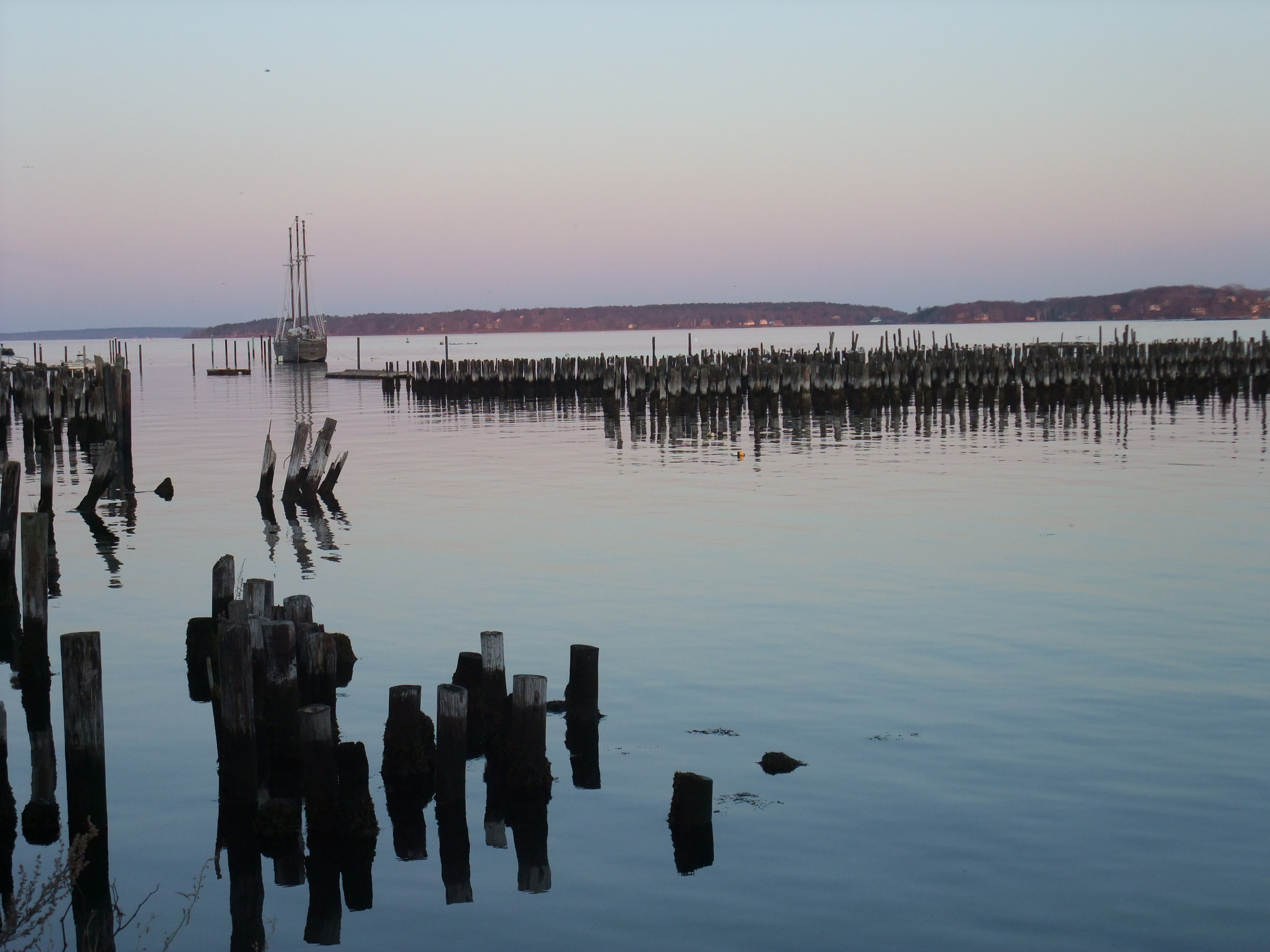
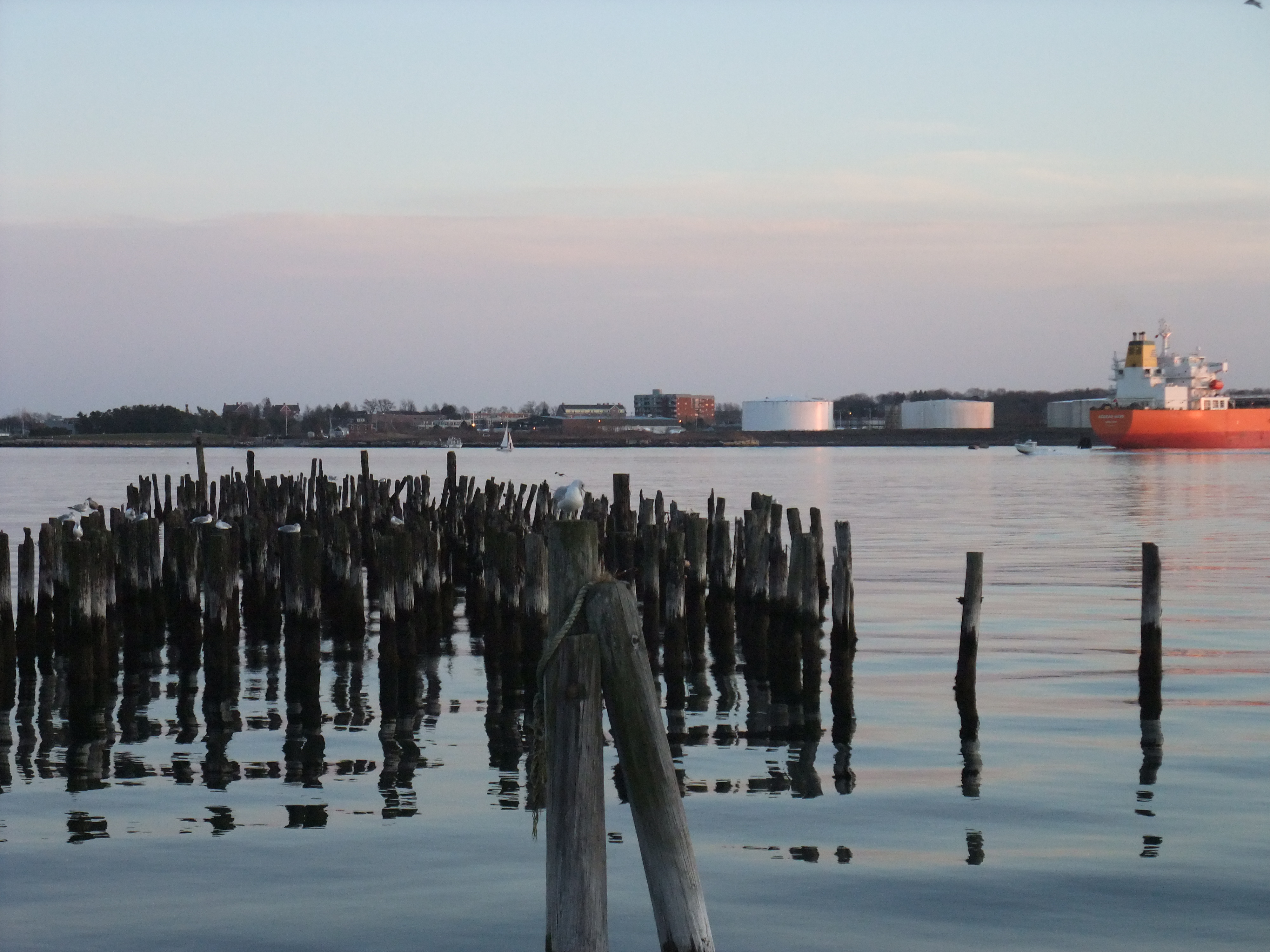
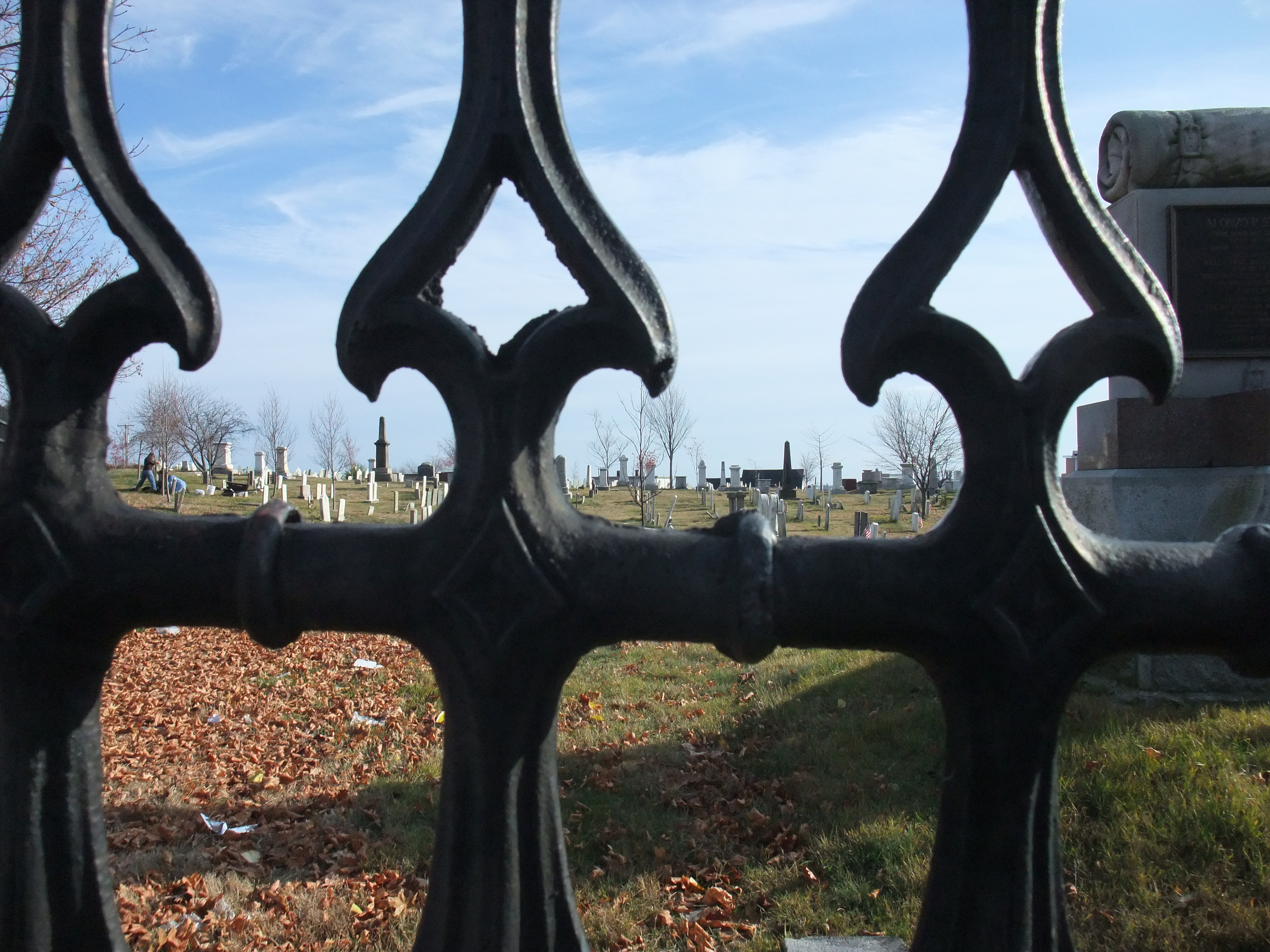
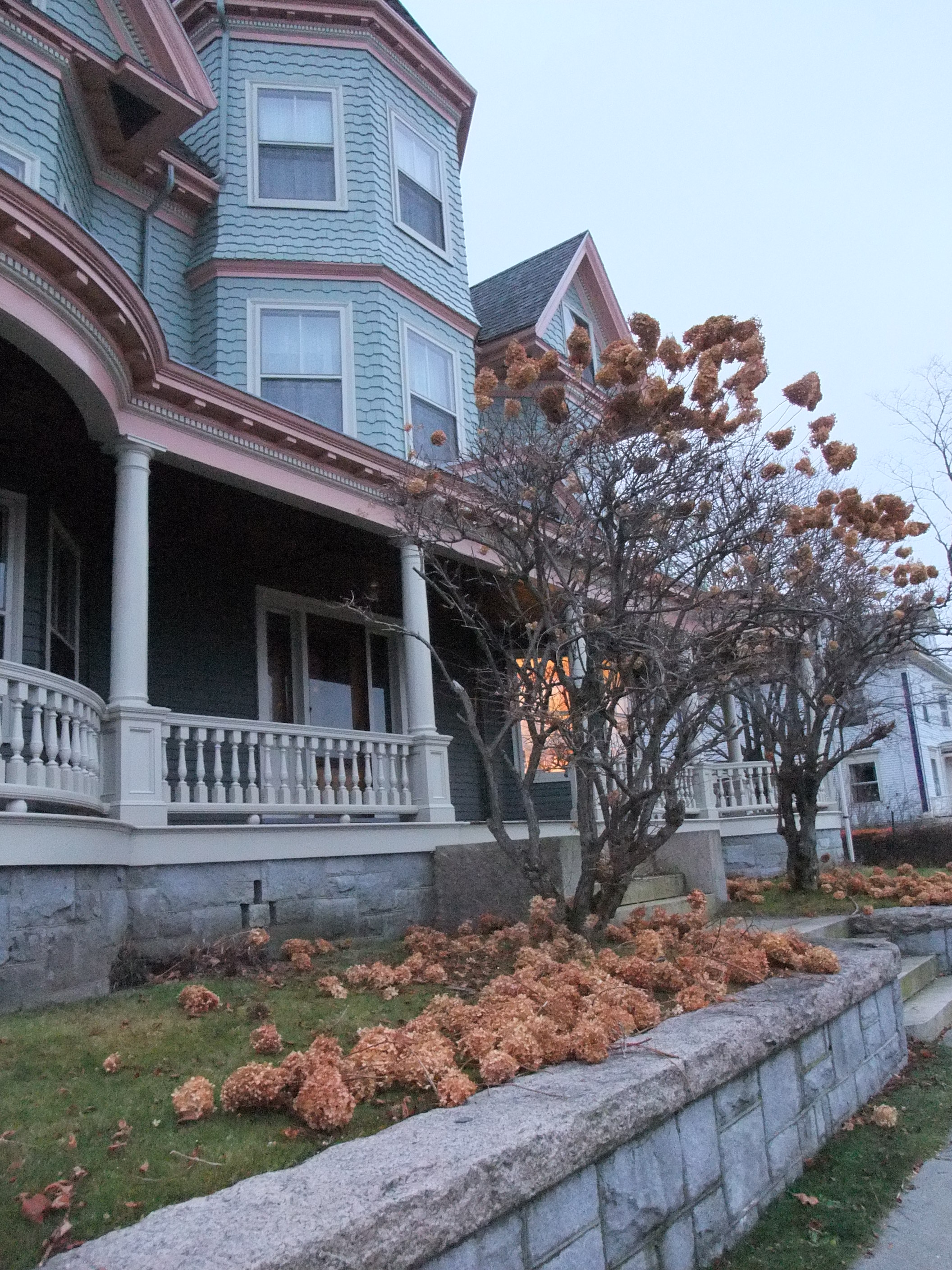
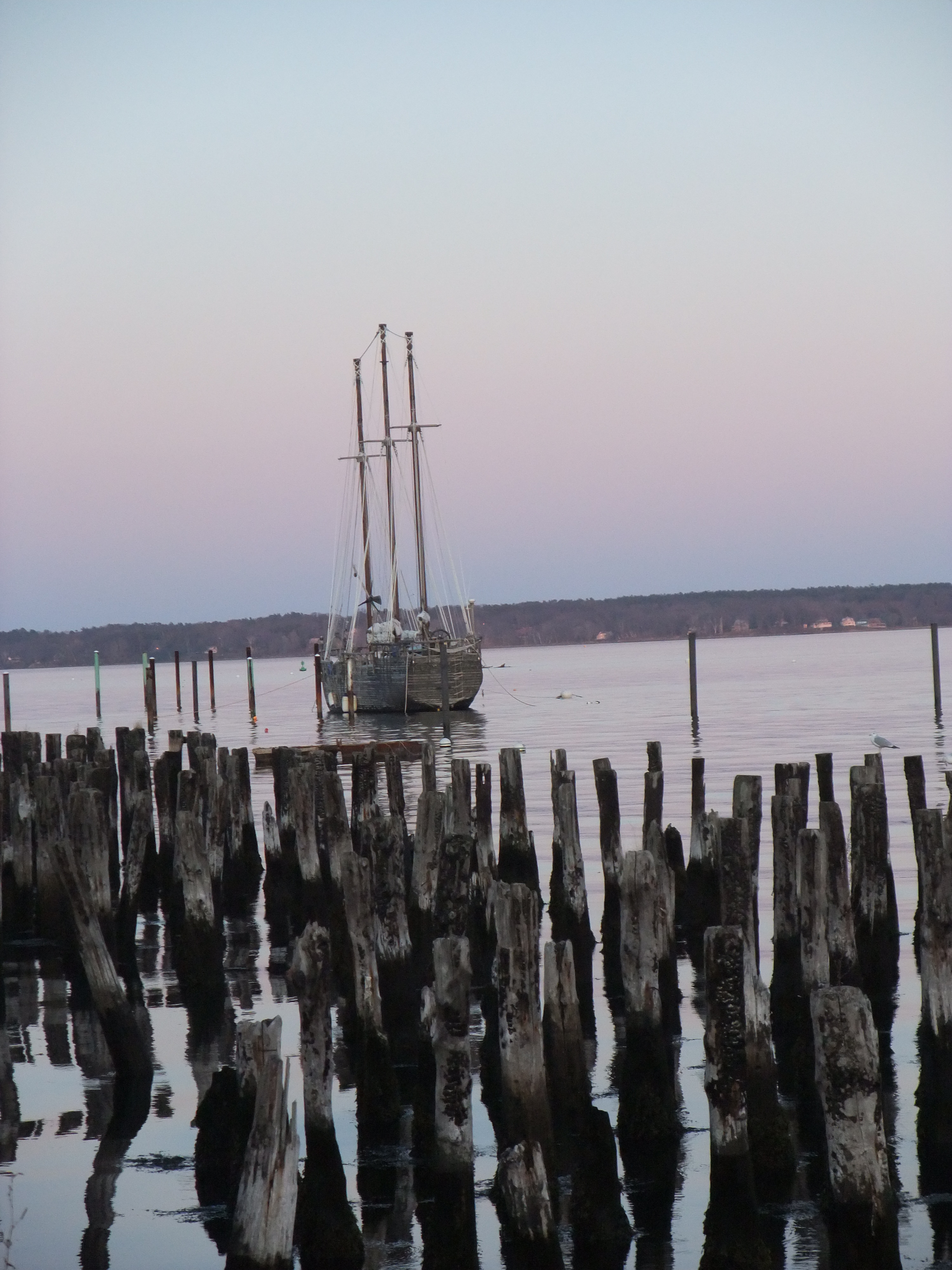
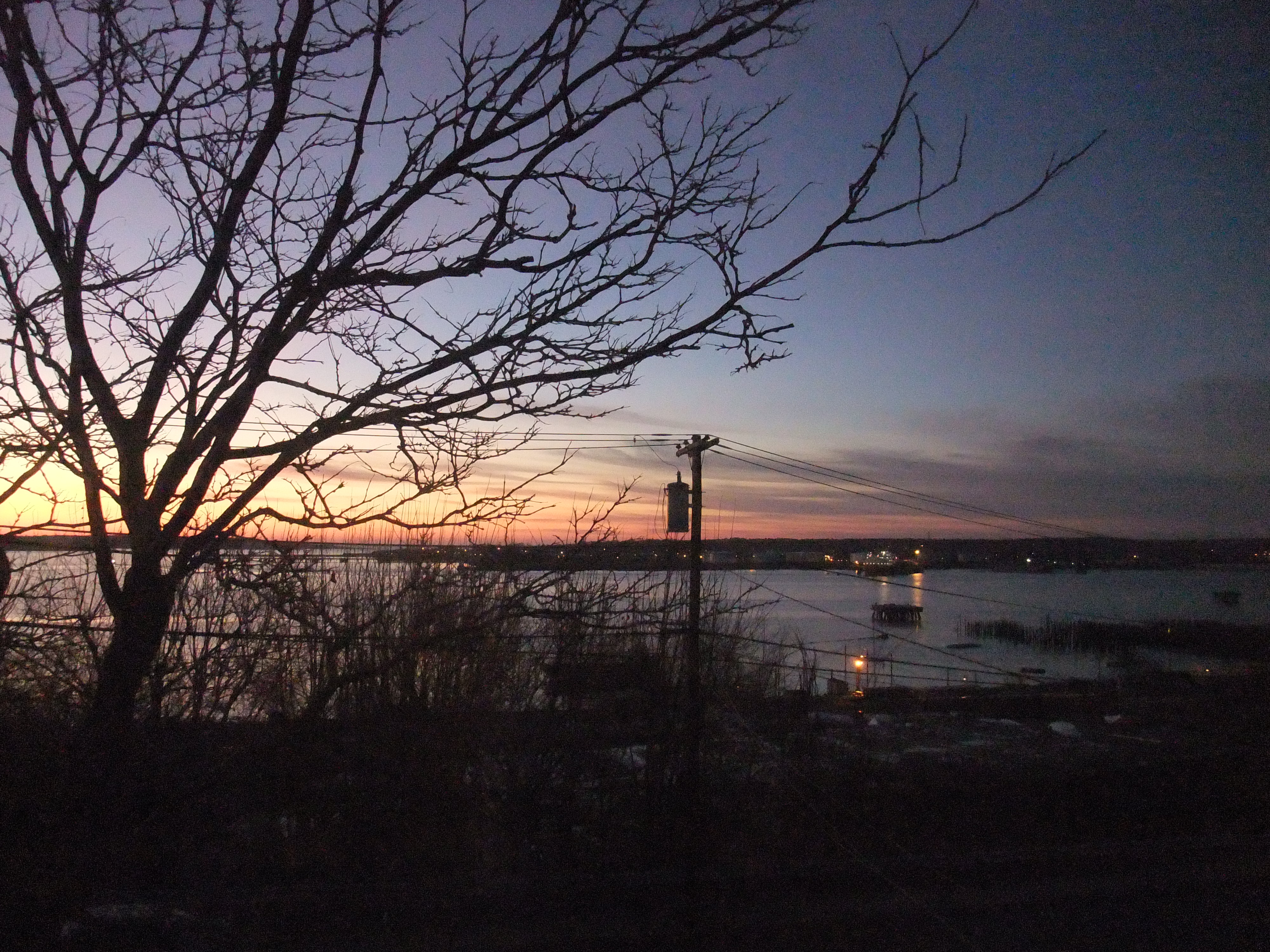
I never get tired of photographing my hometown of Portland. I go to the same spots over and over again, but the light is always different, it’s never quite the same.
Here are a few of my favorites from last week.

There are some folks back home who don’t seem to believe me that Korea is probably the most technologically advanced country I’ve ever been in. High rises, subway cards, and just about anything you could ever want is available here. Hell, they have heated toilet seats, how could you get more civilized than that?
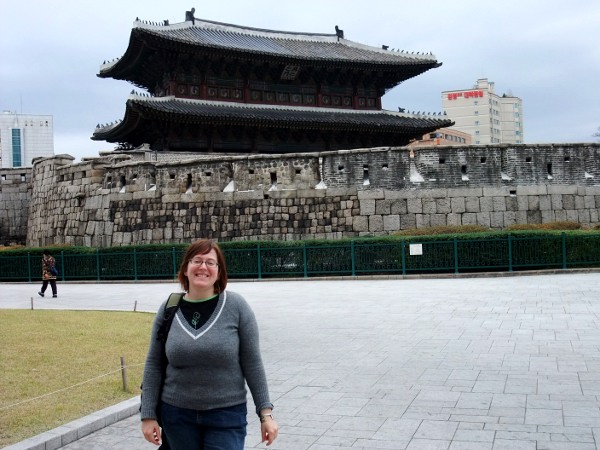
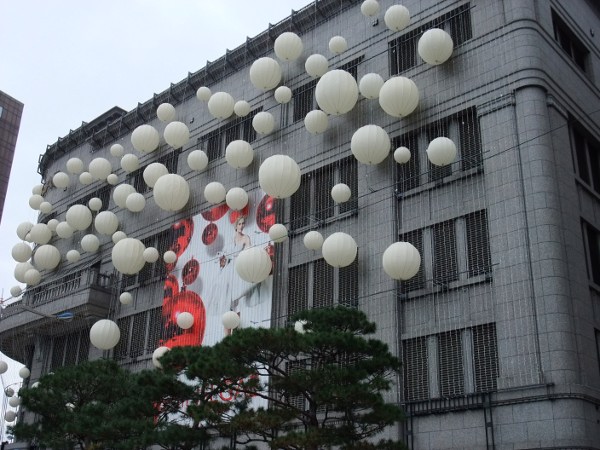
Some cityscape shots from near the Namdeamun market in Seoul:

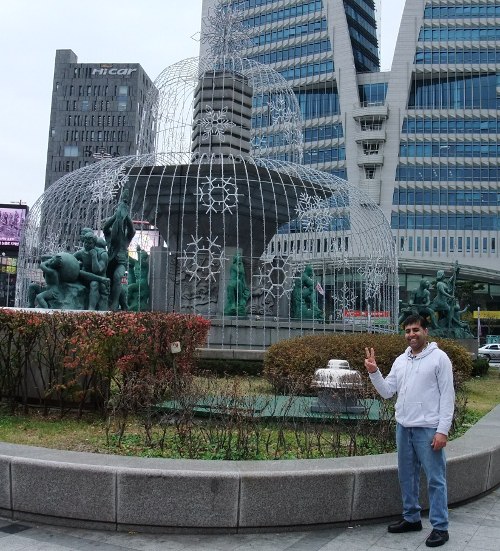
Zafar, a friend from Pakistan flashing a peace sign.
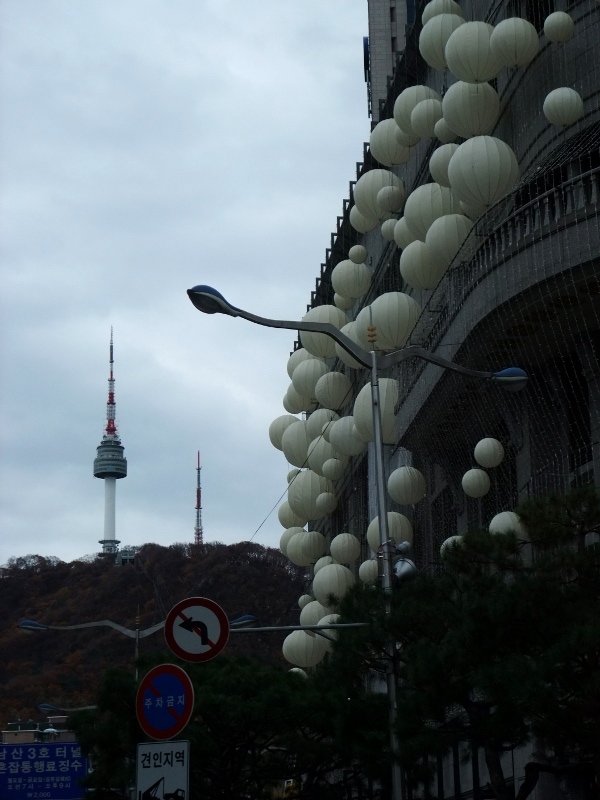
Seoul Tower
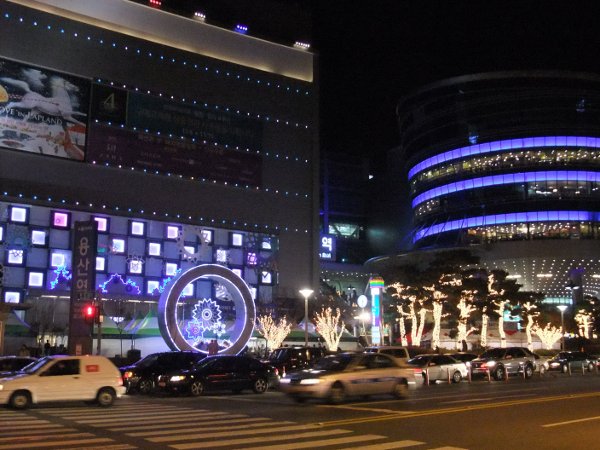
Yongsan Station
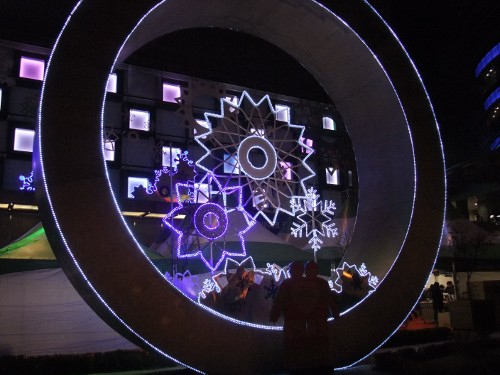
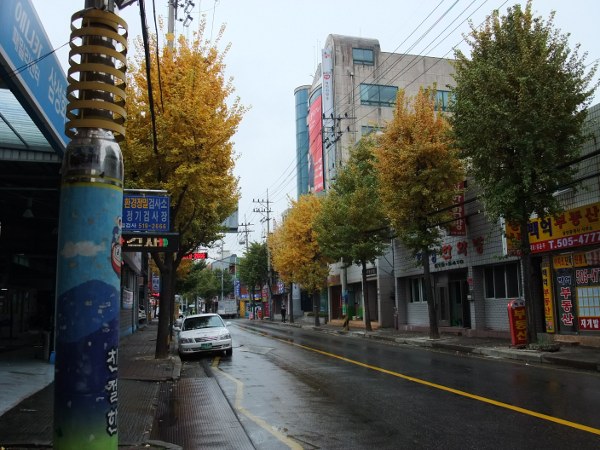
Home again, home again. My street.
At the last moment I changed my mind about what my next book would be. I heard mention of this book in an Orion article, and have been really excited about it ever since. So far it is off to a promising start. Since the embargo started between Cuba and the US, no car parts have been allowed to be shipped in. Although Cuba can import cars from Russia, they are often too expensive for the current Cuban economy, so people through shear willpower and ingenuity have been keeping 1950s cars on the road for decades.
I’m probably going to take a nap while I read this…
 Che’s Chevrolet, Fidel’s Oldsmobile: On the Road in Cuba
Current book pages read: 19
Pages read total: 304
Please consider donating to the charity I’m sponsoring: Child Upliftment Center

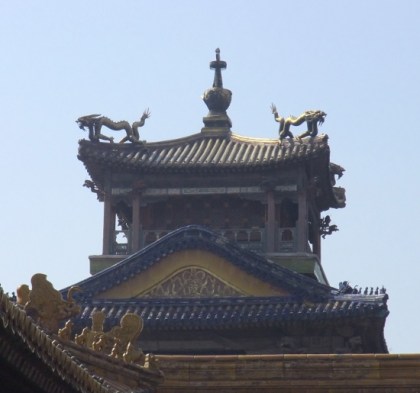
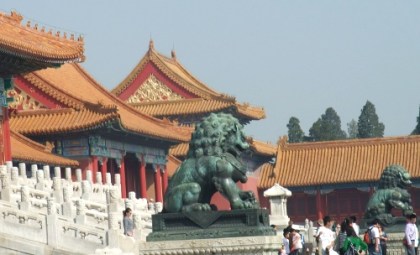
For five-hundred years the Forbidden City was a huge section of Beijing that was strictly off-limits to common folk. Occupied by emperors who rarely left it’s grounds, it used to be instant death to try and pass through it’s gates. Now it costs a mere 60 yuan, and several hours of your time. I honestly found it to be quite touristy and hoaky, although my view was tainted by the fact that it was our last, and exhausting day of walking, and that because of the 60th anniversary party of the country, it was obnoixsly crowded.
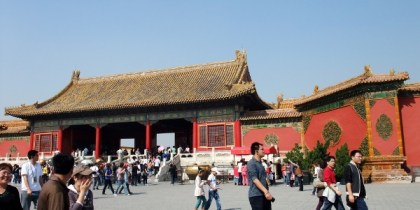 The “city” itself is a maze of walls that has been reconstructed into a two mile long walking museum. Each alcove is outfitted with artifacts behind glass, restored rooftops with fancy imagery, and some buildings that are actual museums specific to a subject. I particularly liked both the calligraphy and the ceramics museum.

Even though it seemed like an endless maze, only about half of the grounds are actually open to the public right now. It would take a very long day to see everything, especially if you wanted to include Tiannamen Square. (If you do both the Forbidden City and Tiannamen Square, they are three miles long as the bird flies, never mind how much walking around you do inside the City to see all the little sites and museums.) Luckily there were tons of public restrooms, and little “hot lunche” being sold inside the City walls. Little boxes full of rice with veggies and chicken on top. They kind of reminded me of airplane food, but they were fun to eat outside in the northern garden.
One mistake we made was starting at the north end of the Forbidden City and working our way south. Since we had spend the morning at the Lama Temple, geographically at first this seemed to make sense. But because of the massive crowed control they were doing because of the influx of Chinese tourists for the 60th anniversary, we were walking against the flow all day, and couldn’t get into Tianneman Square and had to take a tuk-tuk ride around to the south gate. Maybe I’m not a good haggler, but I thought that the tuk-tuks were far more expensive than taxis. Then again, they are pedaling your around as opposed to just driving, and they can do crazy things like go up over the curb and yell at other tourists to get out of the way.
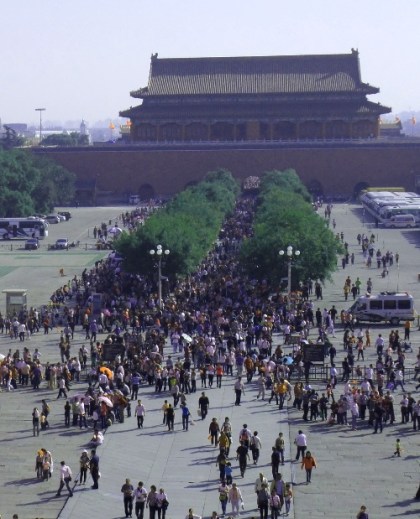
The amazing number of people coming out of Tiannamen Square's north gate.
Filed under: China, Travel | Tags: Beijing, Public Space Beijing, Summer Palace
Summer Palace
If I lived in Beijing, I would probably spend a lot of time at the Summer Palace. It’s in the northern part of the city, and is basically a gigantic public park with a lake in the middle. We had no idea how majestic and truly huge the park would be before we went, and luckily we had our walking shoes on. One thing Beijing has really done right is their parks (and their public bathrooms that accompany them.)

For someone who lived in the congestion and busy-ness of Beijing everyday, this park would be like heaven. For someone who was just visiting such as myself, I found it to be a little too touristy, with a large focus on shops, vendors, and these cute headband things with giant flowers that all the girls were wearing. I wish I had gotten a picture, but I’m more of an architecture snapshot person, I feel weird about nabbing shots of strangers without their permission.
Our guidebook informed us that we could take a boat from downtown Beijing to the Palace, and although this was once a plan, our hostel staff informed us that, “the mountain did not love the lake enough, so it is not possible.” Which I’m taking to mean there wasn’t enough water to pull it off.

We spent almost all of the third day in Beijing just walking around the lake. I took a nap at one point, as many folks were doing, on some rock piles, and lost Michelle, my travel partner. Being the kind of travellers we are, this wasn’t a big deal, we just finished the tour at our own pace and met up when the park closed at the front gate. It’s so nice to travel with level-headed people for once.
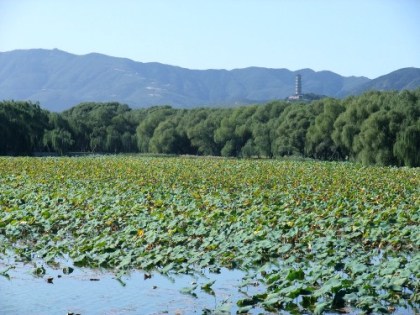
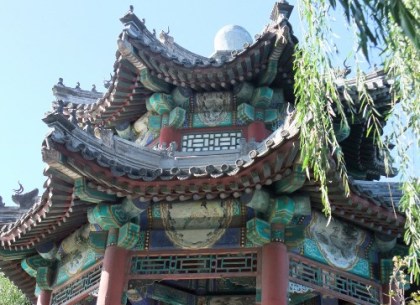
There were tons of little bridges and connecting archways, and each one had it’s own name and unique design over the arch. I believe this one is Quan Yin, the Chinese Goddess of Compassion (her name is romanized in many different ways, so you might recognize her name in a different form.)
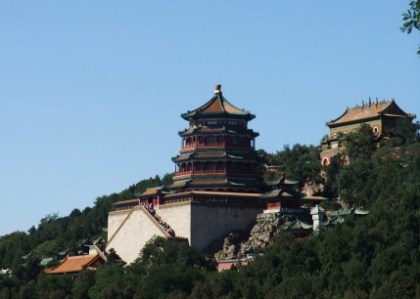
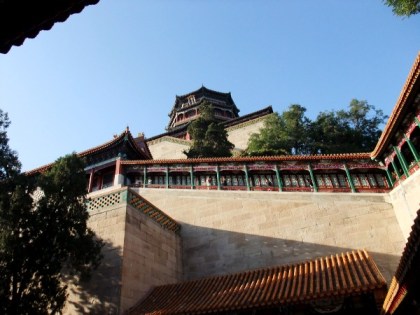
The palace at the top of the hill is the Buddhist Incense Pavillion, which housed a very old Buddhist statue at the top that I was not allowed to take a photo of. It was a gorgeous building, and yes, I did climb all those stairs.
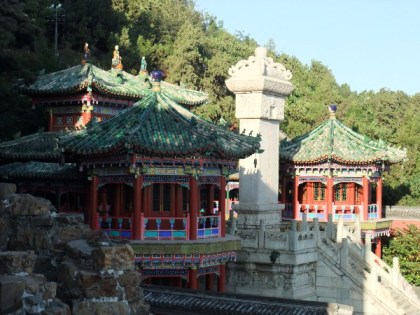
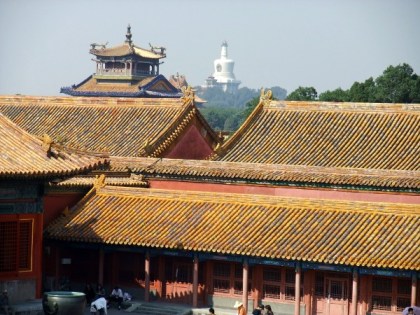
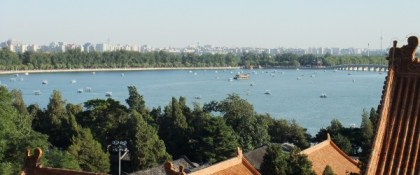
A view of Beijing from the top.
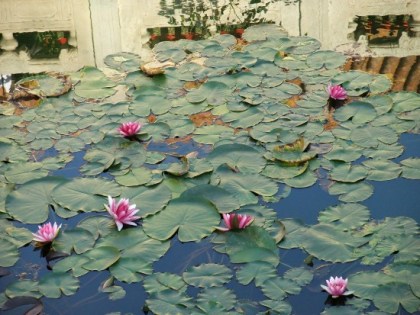
Filed under: China, Travel | Tags: Beijing, Beijing Rain Machine, China, Lama Temple, Maitreya Buddha, Mongolia, Mongolian Music
I learn things from my kids everyday. One of the best things about the school that I work at is that we have each class twice a week for three hours at a wack. A lot of the English teachers in Korea see their kids once or twice a week for 45 minutes. If a kid misses a class, you don’t even have time to learn their name, never mind that they hate Harry Potter (contrary to popular convention), or what aspect of speaking they may need help with. I love really getting to know my kids, and I love that kids I had last semester come visit me in my classroom this semester.
This week I learned that people can induce rain. I was not aware of this. We were doing a project on the desertification of the Gobi Desert and how that creates dust storms that affect S. Korea and Japan with “yellow dust.” One group asked me what the name is for when we make rain. My eyebrows bunched up, while I was inwardly thinking, WTF? I had no idea.
It turns out that Beijing has the ability to make rain. Or, at least they think they do. They have a giant machine that shoots packets of silver iodide into cloudy skies that is supposed to induce rain. This article says they induced 4/10ths of an inch of rain, the heaviest rainfall at one time in that year.

Although I still couldn’t figure out what we would call that in English, so “rain machine” had to do.
We do a lot of geographically specific projects, so I’ve started loading my classroom computer with youtube videos and music that is relevant to the lesson. While working on the Gobi Desert, I found some great stuff to listen to, that at least some of the kids were enjoying as much as I was. I found these videos at a blog called Mongolian Music.
So last weekend, even more than the great wall, my favorite place that we visited was the Lama Temple. For someone who doesn’t study Buddhist philosophy, or who can’t pick out a few of the key figures, I imagine a visit to this park would be interesting for the architecture, but overall would end up being a tedious stroll through an endless number of offshoots, with each temple dedicated to a different group of unknown deities. To me, it was a wonderland of art and familiar images. Highly, highly influenced by Tibetan and Mongolian Buddhism, I just loved it. The classic Tibetan mixture of magenta, cobalt, and gold was everywhere, a subtle, but noticeable difference to the colors of Korean spiritual architecture which don’t feature the gold tones.

Unfortunately, but typically, I wasn’t allowed to take photos inside the temples. There were some spectacular statues ranging from the Taras, bodhisattvas, with a particular focus on the wrathful deities. Outside, people were lighting incense and praying. Although it is a tourist attraction, it was clearly a place the locals frequent as well.
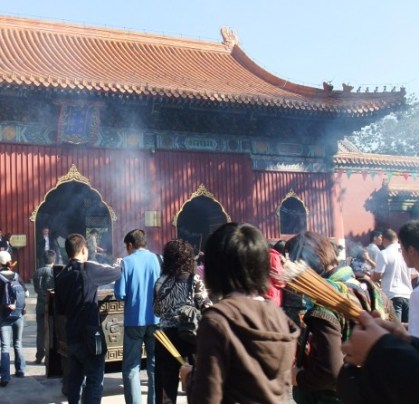
It was originally built in 1694, and became a monastery in 1744, housing monks from Tibet and Mongolia. It was closed for 30 years during the cultural revolution, but somehow the grounds did not get destroyed.
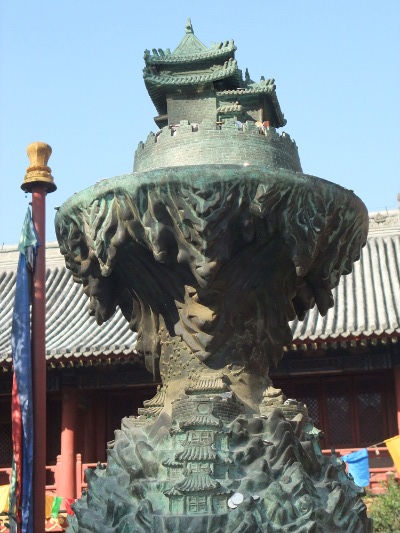
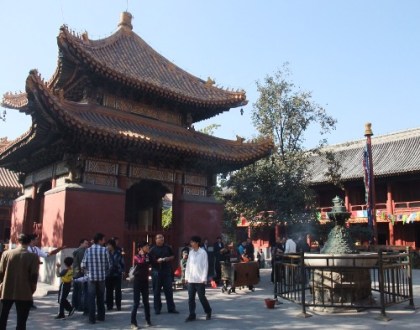

Notice the woman on the right. Even though there were explicit signs in many languages saying not throw coins at the statue. People just couldn’t resist. The Buddhist version of a wishing well.
The highlight of the temple, which I couldn’t manage to sneak a picture of was the 60 foot (18 meters) tall Maitreya Buddha purported to be carved out of a single sandalwood tree. Although, this pinnacle of the statues was also a reminder of why I prefer to travel alone. Just as I was beginning to feel really inspired and debating whether I was going to risk looking like a fool as the only foreigner to do prostrations to this particular Buddha, my travel partner walked up behind me and said, “Well, what’s so special about him?”. Sigh.
Strangely enough, although it is 2,000 years older, the story of Maitreya Buddha is similar to that of the second coming of Jesus. “The Buddha” as most western people think of him, is believed to be just one of thousands of Buddhas (beings that have reached enlightenment) that exist. Maitreya is believed to be the next Buddha who will appear on earth, supposedly when humanity has destroyed itself to the point of no return, Maitreya will come bringing peace.
Now here is an instrument I could learn. Oh yes, I see myself in Mongolia very soon.
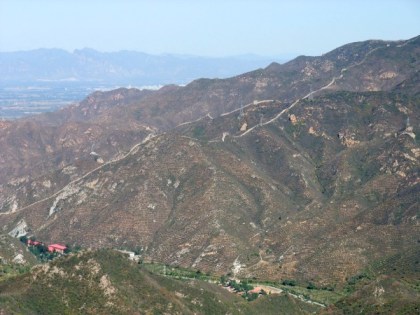
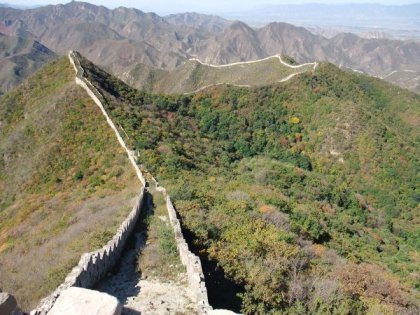
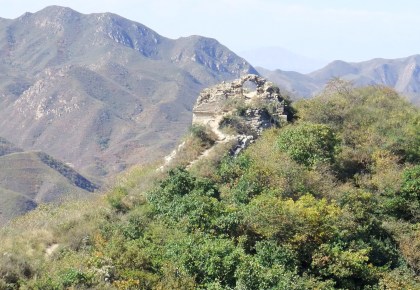
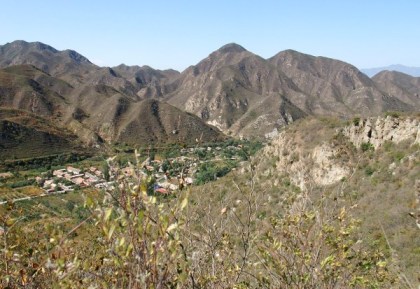
All told, the Great Wall of China is 6,259.6 km (3,889.5 mi) long. Started in the 5th Century BC, it is actually a series of walls and trenches interwoven with the natural landscape that also uses rivers and mountains to create barriers. One of the surprising things in visiting the wall was how low the actual walls are, espeically compared to the gorgeous, rolling mountains that surrounded the area we visited. It seemed those mountains would be more of a barrier than the actual wall. I believe the intermittent fortresses where more the point than most of the wall itself.
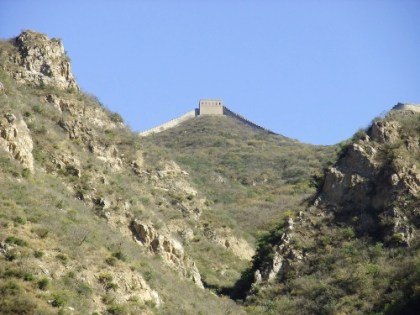
Our Frist Glimpse of the Wall.
We had originally signed up for a typical great wall tour before leaving Korea. They changed our pick-up time to six am, and feeling that was a little excessive, on a tip from a Spanish backpacker staying at our hostel, we signed up for the “Secret Wall Tour” offered by the Emperor Guesthouse instead. This was archaeologist heaven. While our counterparts were getting harrassed by venders, and hiking up completely reconstructed pieces of the wall renovated for the purpose of attracting tourists, we were hiking around on the original wall with a delightful 73 year old guide. He didn’t speak a word of English, but was very effective at demonstrating where the good areas to relieve your bladder might be.
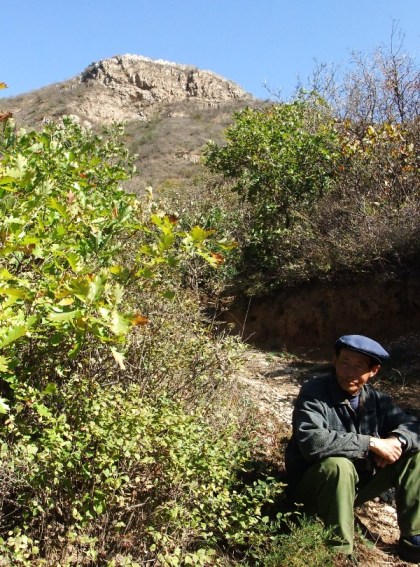
Our Fearless Leader.
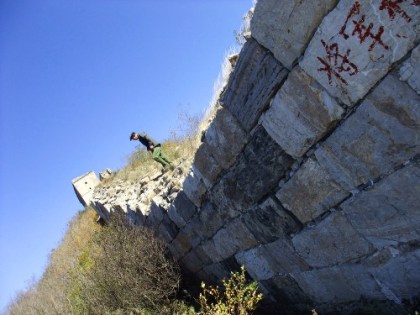
We left Beijing at 7:30 for a little over two hour drive to the location. At some point the mini-van driver pulled over in the middle of nowhere and started honking the horn. This was quite confusing to us, as he inched along the road, honking and looking around. There were donkeys passing us, fresh air like I haven’t breathed in months, and suddenly a very small, very happy looking old man bounded out of a corn field seemingly from nowhere. With a loud “Ni Hao” and a wave, we met our tour guide.

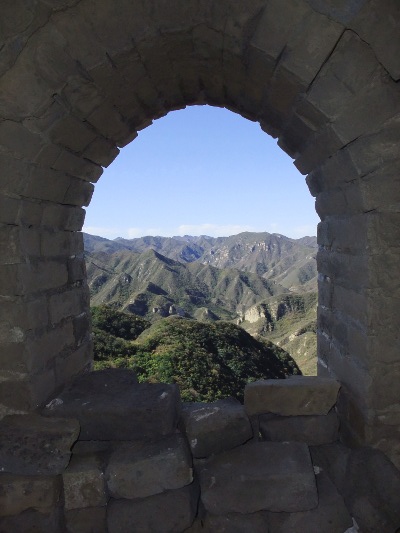
Besides our tour group, the only other people we saw on the hike were some local folks out for a stroll. Our tour guide never seemed short of breath, never took a sip of water, and raced ahead of our chubby foriegn rears on every stretch. In other words, he put us to shame. Interestingly, our tour group, except for one great, chatty, Swedish dude, was all English teachers living in Korea on vacation for Choesok. We had a good time comparing our experiences and ranking the most common question I hear in Korea, “So are you going to sign on for another year?” It was interesting to hear people’s varying opinions based on where they are stationed and who they work for.
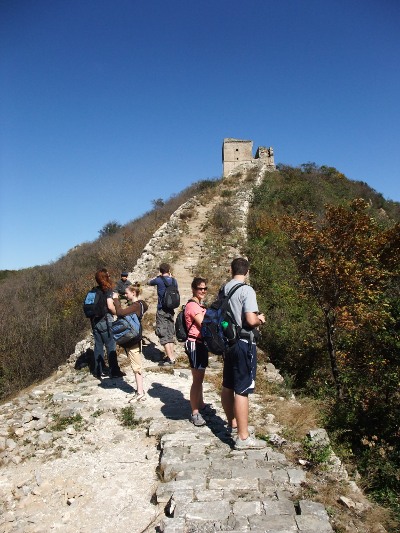
Our group.
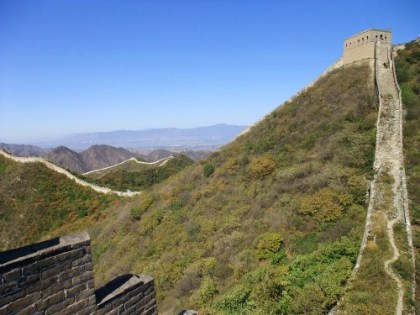
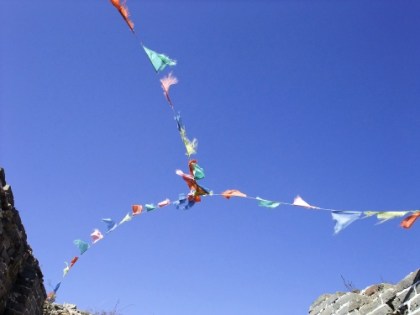
We ran into a group of early college students on a field trip. They were ecstatic to see us and we ended up spending quite a long time posing for pictures and chatting in basic English. I can’t tell you how many times in China local folks asked us to please come teach in China when they found out we were working in Korea. I’m very seriously considering a job in Beijing for next year.
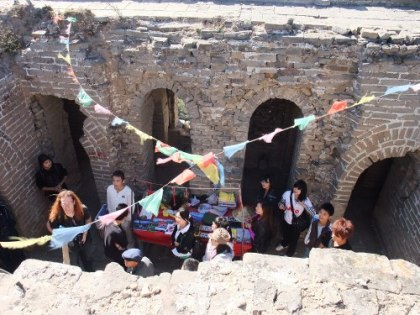
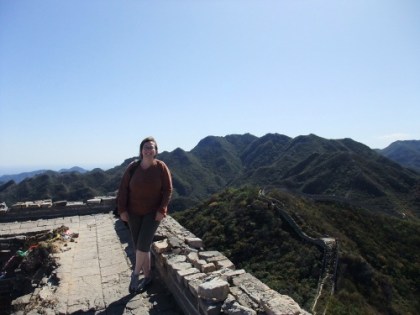
Our tour ended back at our tour guide’s village where a delightful, largely vegetarian lunch was waiting for us.
Filed under: China, Travel | Tags: Beijing, Emperor Guesthouse, Temple of Heaven Park
Although I’m really interested in just about every surrounding country, I’ve never been that interested in going to China. Maybe it’s having read about the political horror stories, dissidents, re-education, Tibet, but mainland China just never appealed to me. But as we Americans often feel, the people are not the same as our government policies.
We had a long weekend in Korea for their major national holiday. And while most of the locals were visiting family and paying homage to their ancestors, it seems every other English teacher in Korea decided to head to Beijing. I’d say 80% of the foreigners we met this weekend were also teaching English in Korea. My fellow travelling-teacher and I weren’t the only ones happy to get out for a few days.
Beijing had a lot of the feel of Asia that I’ve been missing in Korea. The gnarly buildings, the winding side streets, the animals wandering around, the smell of shit alternating with the smell of some amazing tofu vegetable street dish. There was a liveliness, an unabashed happiness, and a laid-back feeling that I just don’t see in the area of Incheon that I live in. I was so ecstatically happy all weekend. Part of that was just the glee of travelling and seeing some place new, but part of it was also being surrounded by people who didn’t give off the air of being self-conscious and concerned about their appearance, but rather of just truly enjoying themselves.
But unfortunately, the narrow walking streets are quickly disappearing in the Tianemen Square area as huge touristy developments are being built. I was talking with an older Scottish man who had stayed at the same hostel four years ago, and he said he couldn’t even recognize any of the streets. A new shopping street cut off from vehicle traffic has been put in – with a seemingly endless amount of money, as each building is more ornate than the next.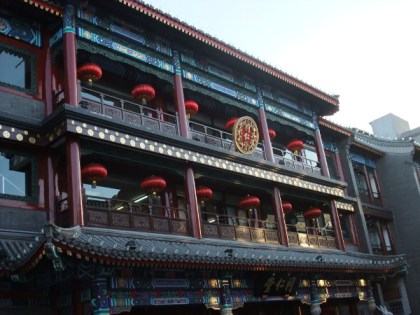
We stayed in a great little hostel that was still on a windy street. It is a really old building, built in the courtyard style and used to be the residence of Emperor Qian Long. Which I suppose is why it is called the Emperor Guesthouse. It was fantastic and funky. The whole Square area was a madhouse this weekend as it was the 60th anniversary of the founding of the official People’s Republic of China. One relief is that the sheer number of people ensured that we weren’t targeted by street vendors. I think it also added to the sense of pride and elation that seemed to encompass the whole city. People seemed really excited about the events and the day we visited the square, it was obvious that there were people from all different parts of China there to celebrate.
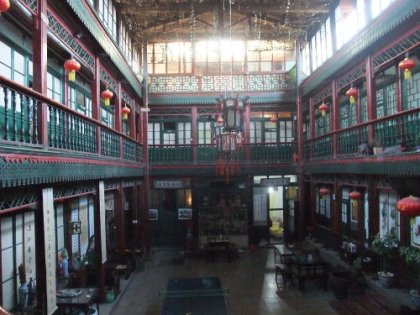
- Emperor Guesthouse
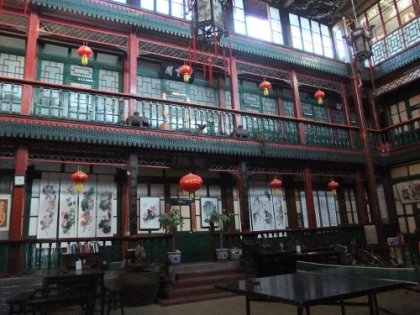
Temple of Heaven Park
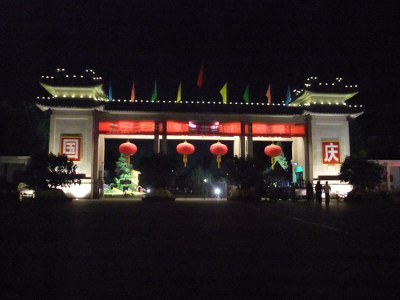
It took most of Friday to get to Beijing and to find our hotel, so we didn’t get to do much Friday night. Unfortunately, most of the temples close around 4:30, so an evening stroll and some prostrations to Buddha weren’t really an option. We decided to go to the Temple of Heaven Park, and although we didn’t get to see inside the temple, which I’ve heard is astounding, the park itself was delightful. We felt perfectly safe walking around well after dark, and there were little groups of people playing traditional instruments, singing to portable karaoke machines, kicking around a hacky sack, and just sitting around hanging out. There was even one couple putting on a strange dance number for anyone who wanted to stop and watch. It was some cross between ballet, freestyle, and I’m assuming something traditional. What made it even more fascinating was that the man was wearing cut-off jean shorts, a skin-tight black tanktop, had red ribbons tied around his arms, and a look on his face that was somewhere between peyode high and just plain crazy.
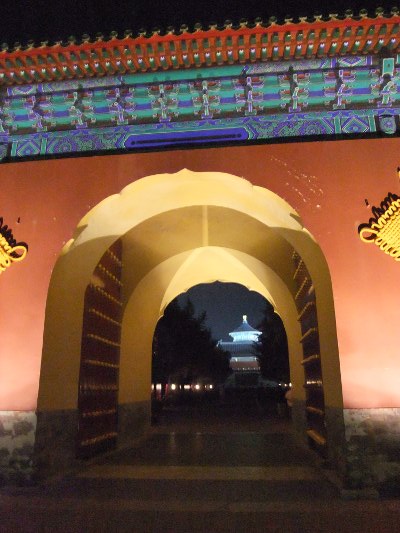
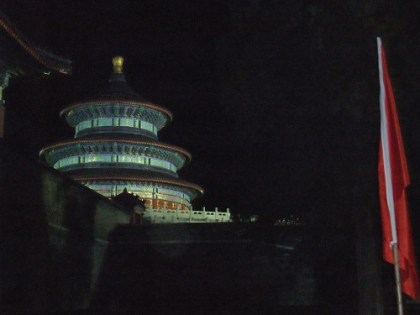
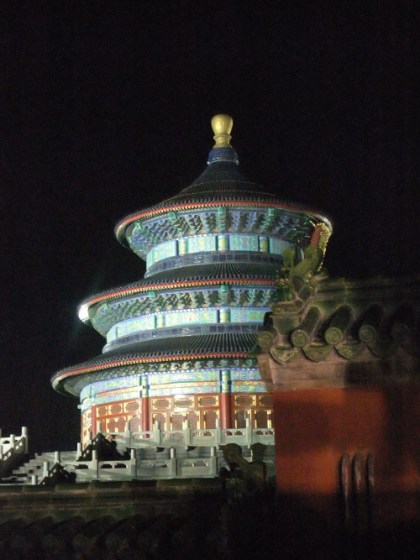
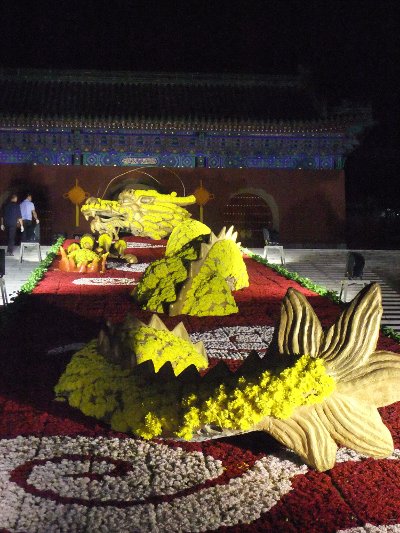
So that was day one, or really half a day. We had a great dinner at a hole in the wall place with a giggling, very pregnant young waitress of wild herb dumplings and wood-ear mushroom and bokchoy stirfry. Tomorrow, the Great Wall…
This was a pretty good month. I’m almost getting back into the swing of things. Lots of travel stories, some book club choices, and the final instalment of Harry Potter.
 The Guernsey Literary and Potato Peel Pie Society
I wasn’t sure about this book at first. I wasn’t sure I could keep the characters straight. I thought at first it was going to be stuffy and over-rated. But by the end I was completely won over, even to the point where Guernsey Island, an occupied island during WWII, seems like a place everyone should visit at some point. When I was finished I wanted to start it over again because I’m sure there is stuff I missed in the beginning before I figured out who was who. Read for the Bookleaves bookclub.
 Adventure Divas: Searching the Globe for Women Who Are Changing the World
I really enjoyed this book, although it was clear it was written to try to fund the Adventure Diva enterprise, which is a multi-media mother-daughter team who travel the world looking to interview women who are true “adventure divas.” They have an interesting website, including (pricey) tours that you can go on with them.
 Expat: Women’s True Tales of Life Abroad
A wonderful little collection of really well thought out essays on what it means to live in a country other than your home. One thing I really liked about it is that it was essays by women I’ve never heard of. Sometimes reading essay collections from authors who you already love can get tedious (as I often find the pieces seem like they are throw-aways that didn’t get published elsewhere, but by shear force of the author’s name can still make money).

 In the Name of Honor: A Memoir by Mukhtar Mai
A great video depicting the area and Mukhtar’s life, embedding was disabled, but you can view it here.

 Garlic and Sapphires: The Secret Life of a Critic in Disguise
I had never even heard of Ruth Reichl and didn’t know that she is an extremely famous food writer, restaurant critic, and editor of Gourmet magazine. This book was fantastic, funny, interesting, and intrigued me on a subject I’ve never been the least bit interested in. This book in particular deals with her need to create disguises so that she could go into a restaurant and be treated like a regular customer and not as herself. The two experiences proved to be vastly different dining, and gave her chance to see how much of New York is really just for the show.
 Burnt Shadows: A Novel
Talking about this book at the Seoul Women’s Bookclub brought teary eyes around the table. I had to remind myself several times that the characters in this book are not real. They almost all could have been people that we’ve met on our travels.

I just found this picture on SquidLit blog. I was having a hard time imagining what the “tattooed” burns looked like, when women in the blast were wearing white kimono that had a dark pattern on it, that got inlayed in their skin.

 Harry Potter and the Deathly Hallows (Book 7)

 Ruby Ramblings